
Tonight’s New Moon rises in the twinkling eyes of the Twins Castor and Pollux, one mortal, one divine, symbolising the unification of opposites. Traveller’s guide and mercurial trickster, Mercury, ruler of Gemini, offers a double-edged perspective on the nature of communication and technology - are we masters of or mastered by the matrix of social systems?
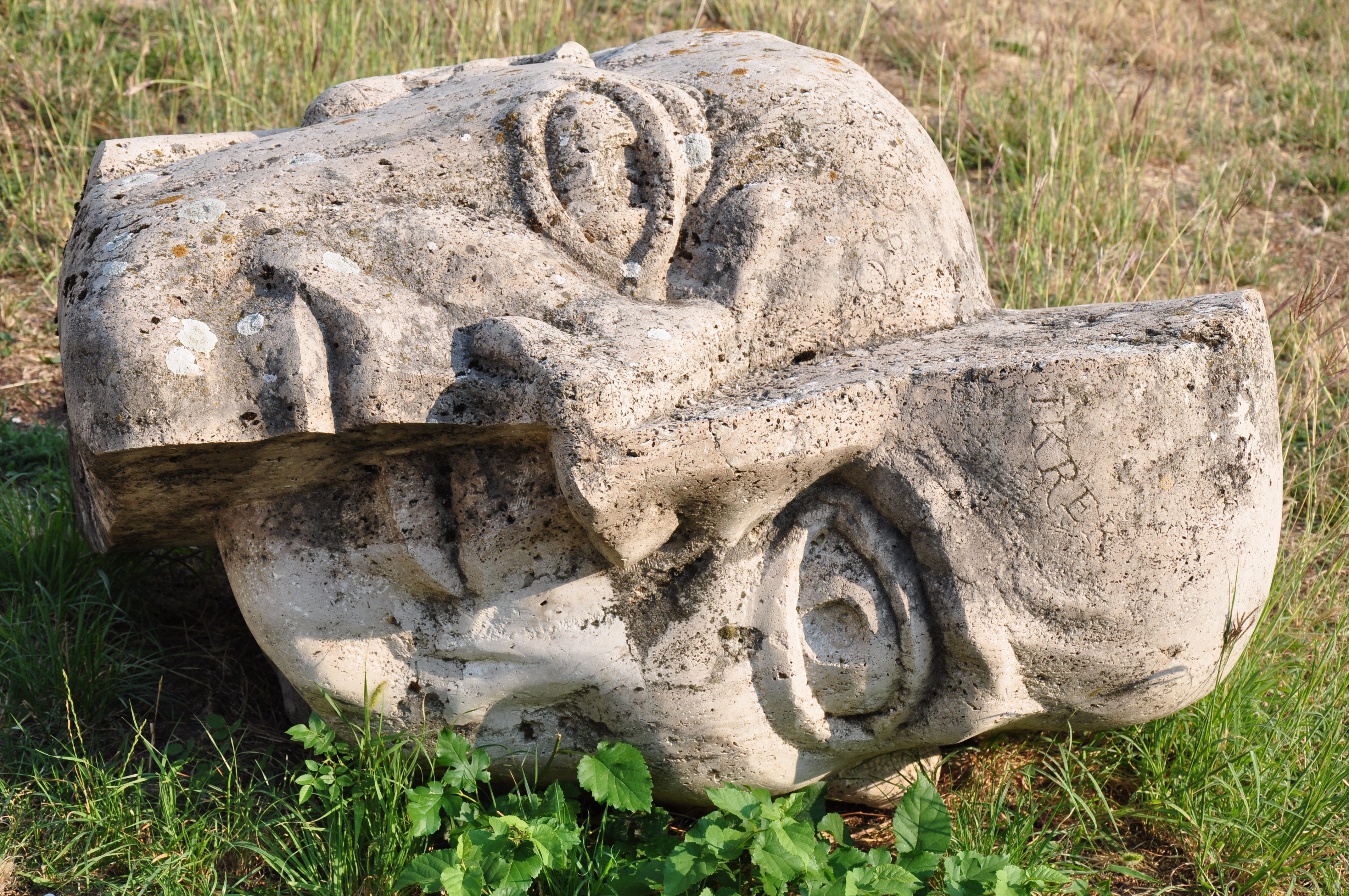
Image by Jenő Szabó from Pixabay
I’ve noticed a phrase resounding like a bell through many recent conversations:
“There is nothing wrong with you. The system is designed to make you feel like this, to make you give up. It is a lie. Stand in your truth."
Whether it’s asylum seekers battling the ‘hostile environment’, carers advocating for their loved ones, single mothers fighting for safe housing for themselves and their children, I witness so many people experiencing inhumane treatment within systems which are designed not to serve, but to oppress.
As the word govern is related to the Greek kybernan - to steer or pilot a ship, it’s obvious that many UK systems do not steer us towards wellbeing. Instead of supporting people during times of challenge, ‘welfare’ systems are increasingly designed to punish and profit from human vulnerabilities. Large corporations cash in, whilst resources are starved at the point of service, creating an escalating individual and social wellbeing crisis. Unwieldy bureaucracy is designed to deter people from accessing vital services and successfully navigating the class-rooted financial hierarchies and property ladders.
In the meantime, the endless whirring of the industrial machine and the constant availability of digital stimulation create mass overwhelm and stoke division, whilst lining the pockets of the tech bros. Rapacious systematic consumption has starved us of the true wealth of ecological, physical, emotional, mental, financial, social and spiritual wellbeing.
It is not enough to say, “this is the system, it's inhumane and cruel, let’s be done with it,” because systems are necessary, practical tools for daily living. Without traffic systems, there would be daily chaos and carnage. A river without boundaries is a flood. So we need to create humane personal and social systems and uphold boundaries that protect, nourish and enhance wellbeing.

Wishing Well - Photo by abigail low on Unsplash
Anchoring Human Wellbeing in Systems
“The human system does not really want comfort, it wants challenge. It wants adventure.”
― Steve Chandler, Reinventing Yourself: How To Become The Person You’ve Always Wanted To Be
The Greek word systēma, meaning an organized whole, a whole compounded of parts, emerges from synistanai - syn - together + stan - to stand. So a human system - ultimately enables people to stand together, in a form or order. The word human springs from root words meaning person and earth, whilst to be humane is to possess qualities that benefit humans. So we need to consider the ground our systems stand on and how well they benefit the humans within them.
What is Wellbeing?
Every day, throughout the world, multitudes of songs, toasts, speeches, blessings, prayers, mantras and wishes are offered for wellbeing. Closely intertwined with the words wish and will, the word well is intimately linked to our ability to create our desired reality, and to experience and enjoy the adventure of life. When we feel unwell on any level, we experience a sense of constraint, loss and inability to live as we wish. When things go well or are well done, we reconnect with the wellspring of abundance, accessing personal and collective happiness and fulfilment.
Ecosystems flourish when coexisting interdependent beings and elements can thrive and fulfil their unique purpose within the whole. Human wellbeing depends on food, which in turn depends on bee pollination, so when bees can no longer thrive because of pesticides, pollution and habitat loss, human systems need to change.
Personal systems include our activities, habits, boundaries, and thought-systems. When we are anchored in our values, we create systems to bring our visions of living well into reality. Like our skin, our boundaries protect what is essential, including our time and energy. Being comfortable within our own skin is a process of constantly shedding and renewing what is important to us, and directing our thoughts, words and deeds in that direction. Habits are personal systems which help us engage effectively with elements such as diet, sleep, and exercise. Continually upgrading habitual thoughts also plays a big role in turning wishes into willingness to do what’s required for a life well lived. Many solutions arise when we choose a better system.
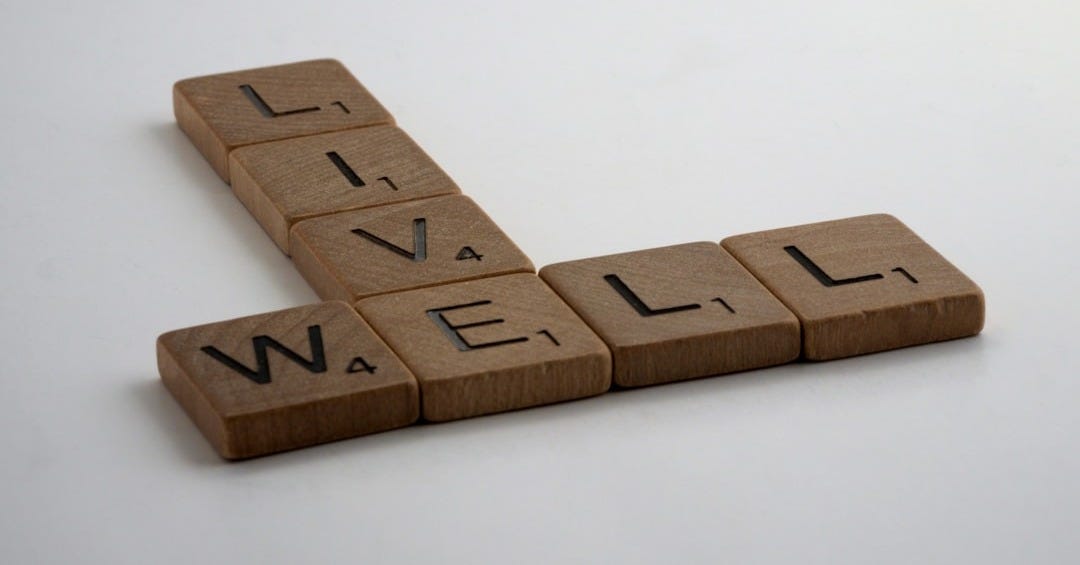
Photo by Brett Jordan on Unsplash
Social systems are designed to bring people together around shared values, purpose and direction - be that a political party, charity, faith group, choir, work organisation, health service, communication network or government. To remain functional and healthy, systems must constantly grow, change and evolve to meet the changing needs of both the parts and the whole.
Denmark is a global leader in social systems which prioritise hygge - wellbeing and quality of life. This Old Norse word from roots meaning think, consciousness, mind, has evolved to mean protected time with family and friends, promoted by the long Scandinavian winters. Beyond personal wellbeing, it extends to social harmony and equality, embedded in systems ensuring universal access to education, healthcare and childcare and a safe, unpolluted environment, as Meik Wiking explains in The Little Book of Hygge:
“We are not paying taxes, we are investing in our society. We are purchasing quality of life. The key to understanding the high levels of well-being in Denmark is the welfare model’s ability to reduce risk, uncertainty, and anxiety among its citizens and to prevent extreme unhappiness.”
Choosing social systems that support our wellbeing and align with our values
Wise choices of social systems bring multiple wellbeing benefits. My running group, Run with Re, has a well-established system that supports each runner to complete their chosen distance on pre-planned routes. This group shares my values - it’s a mutually supportive, non-competitive atmosphere where everyone is congratulated for doing well, regardless of the distance they run or how long it took. There’s a strong sense of shared purpose and a commitment to building real human friendships. As a result, I have found myself running further than I ever imagined - I feel well, and I do well, and the whole experience boosts personal and group wellbeing.
Writing a humane story based in wellbeing - inhumane systems are accompanied by dehumanising narratives. In traditional gender roles, designed to prop up the system, women were required to be the self-sacrificing suppliers of endless care and domestic labour, and men were conditioned to overwork, whilst armouring and denying their personal needs. Women who dare hold personal and professional boundaries are still often demonised, whilst men are accused of being weak and failing when they display vulnerability. When we create new narratives anchored in a commitment to our wellbeing - which might be as simple as voicing a clear, strong ‘No!’ - we avoid burnouts and breakdowns and shatter ceilings for generations to come.
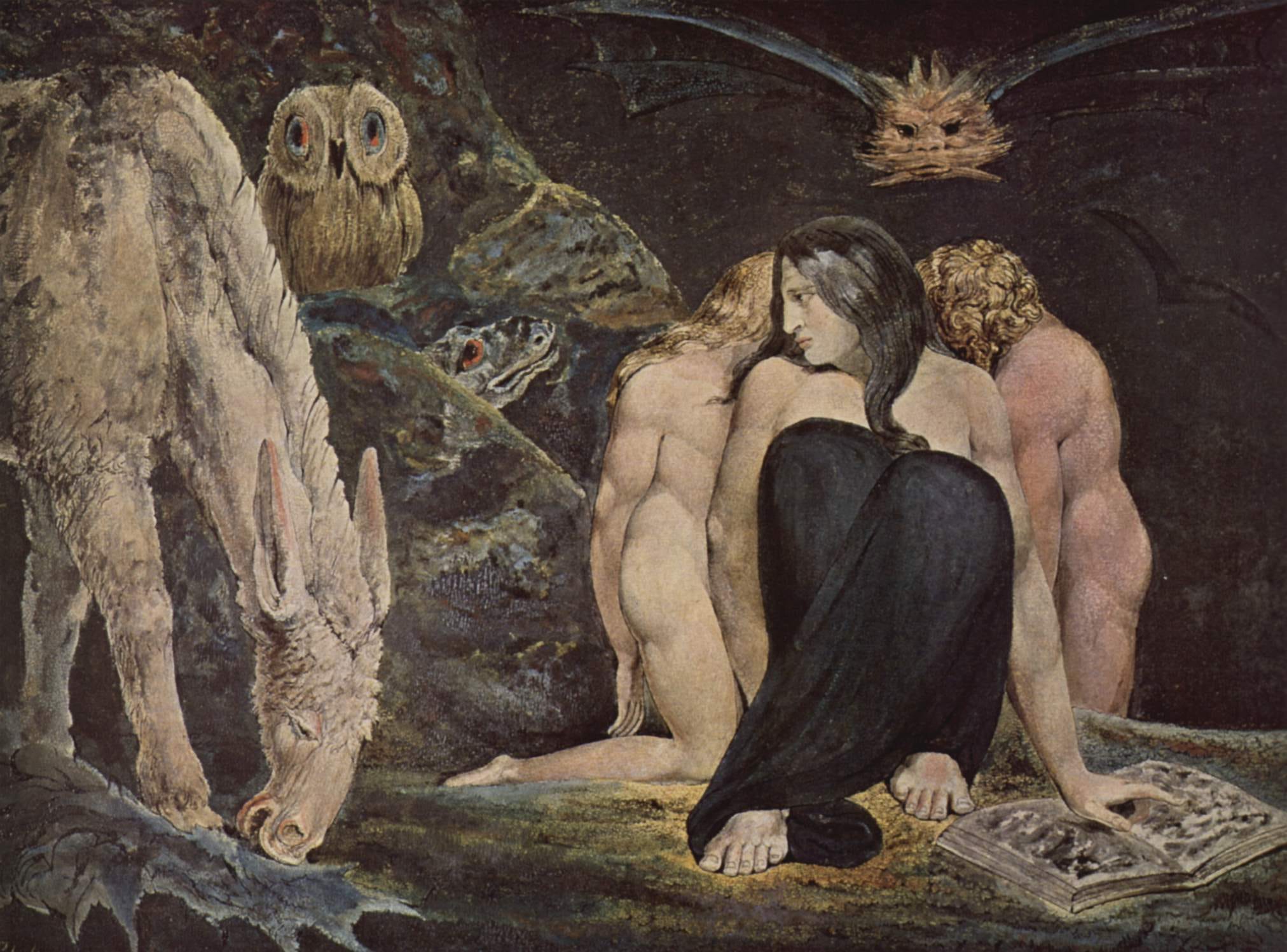
The Night of Enitharmon's Joy aka The Triple Hecate (1795), William Blake, British Artist (1757-1827) - source Wikipedia

Creating ‘Something Else’
The Goddess that when given
the choice between
servitude and cruelty
forged her own path
by becoming something else.
~ Hekate, Nikita Gill
In Nikita Gill’s poetic rendering, Titan Goddesses Hekate and her mother, Asteria, become fugitives as a result of the epic battle between the Titan and Olympian Gods. Forced to leave her daughter in the Underworld and pursued by the Olympians seeking to take her gifts, Asteria turns herself into an island where no God can come without permission. Hekate is propelled into an adventure to discover her gifts, which she forges into a system of resistance and healing, helping resolve the war and relieve the oppression of female Goddesses.
With the ability to split herself into three, hekateria, statues of Hekate, were traditionally placed at crossroads, invoking her guidance at times of transition and choice. Historically, institutionalised social systems offered the binary choice - join the oppressors or be enslaved. Hekate’s story reminds us that creativity can transcend restrictive dualisms, making new choices available. Even within extraordinary systemic oppression, human beings have found creative ways to resist, grow and evolve. Prominent Austrian composer Viktor Ullman (1898-1944), who studied with Schoenberg, wrote 20 operas during his time at Terezin before being transported to Auschwitz, where he was gassed in 1944. In one essay he wrote: “It must be emphasized that Theresienstadt has served to enhance, not to impede, my musical activities, that by no means did we sit weeping on the banks of the waters of Babylon, and that our endeavour with respect to Arts was commensurate with our will to live."
Expressing ourselves creatively - be that making a cake, tending a garden, singing a song, writing a love poem - is an empowering act of will, bringing wishes into reality and reconnecting us with vital sources of wellbeing. Creativity enables us to rewrite narratives and rewire systems, as we respond to the challenges of each age. With artists such as Emily Portman discovering fake AI albums released in their name, and the Creative Industries lobbying against AI Content Theft with the Make It Fair campaign, the innately humane and humanising force of creativity cannot be replaced by robots. In the face of systematic violations of our humanity, we can apply our creativity to creating humane systems that honour the personal and collective wellbeing of people and planet.

Thanks for reading! Subscribe to ramble freely from the comfort of your inbox